“Innovation is easy, learning from it is the hard part”

Six lessons in product innovation for drinks brands.

Coming up with new ideas, developing them and even getting them out to market is not the hardest part of the innovation process. That’s why we can find a graveyard full of innovations that started out with great hope and ambition.

The hard part is creating innovation that actually works, and the best way to do that is to learn from failure – from your own mistakes, from competitor’s mistakes and even from other categories – why shouldn’t drinks companies learn lessons from space tourism or pet food?

While we can’t develop a fool-proof recipe for success, we can share some valuable lessons to help navigate towards success.


#1 The 10 year ‘over-night’ success

British sprinter celebrating after a race, representing the time it can take for innovation to succeed.

Big companies demand immediate success for new launches; they want to see a quick return on their investment, and the project teams want to be proven right in their assumptions and plans.

Is this a realistic aim? They will point to other brand’s success and demand a similar outcome.

As a result, there is a graveyard of innovations that ‘could have been contenders’. The plug was pulled too early in favour of another new idea.

However, most of these ‘best practice’ examples are not really innovations at all. They haven’t just launched and found dramatic growth, in fact, most of them have been around for 5-10 years. They are slow burners that slowly evolved and consolidated their business before conditions were right for rapid expansion.

The big lesson here is patience. If you find an attractive market opportunity, and an idea that is relevant to your target consumers, then stay with it – be committed to learning and evolving and be ready to scale when the time is right.

#2 The future is arriving now

Futuristic cityscape representing a long-term innovation pipeline.

There will always be a pressure on annual results, meeting targets, keeping shareholders happy.

As the year unfolds it can be tempting to change plans to focus on short-term tactical opportunities, to repeat things that worked in the past, to do anything to help meet the end of year targets.

Future innovation is usually the first casualty - “let’s worry about the future tomorrow”. But long-term growth doesn’t come easily, so how can we protect these plans when tough funding decisions need to be made?

The solution is to build a robust innovation pipeline that brings to life a clear long term growth strategy.  Delaying or even killing off the first steps of that growth journey, to focus on this year’s plans, will clearly have consequences. Having this strategy in place will enable robust business decisions, with future plans given a fair hearing rather than being an easy target to kill off.

#3 The prize for being second

Astronaut holding a helmet, illustrating the value of learning before entering a market.

Big companies are built for scale. This is clearly not a new revelation, but the same big companies are filled with smart individuals that can spot emerging niche opportunities and could map out how to go after them.

However, the organisation around them is not set up to win at small scale, to nurture and develop small things and be patient enough to wait and allow them to flourish in the future.

What should they do? Wait for a startup brand to emerge and then try and buy it? Or setup an internal team focussed on new ideas, with enough funding to get them to market. This may sound like the ideal plan, but funding tends to get pulled, ideas shelved, and the return on investment deemed “not good enough”.

Why not plan to be second? Arrive in the market when much of the hard work has been done, when consumers have helped shape the opportunity by selecting the strongest players. We can study and learn from everything they have done, then when the time is right, boldly arrive second to market, but with a clear plan on how to get to number one.

#4 Plan to fail from the start

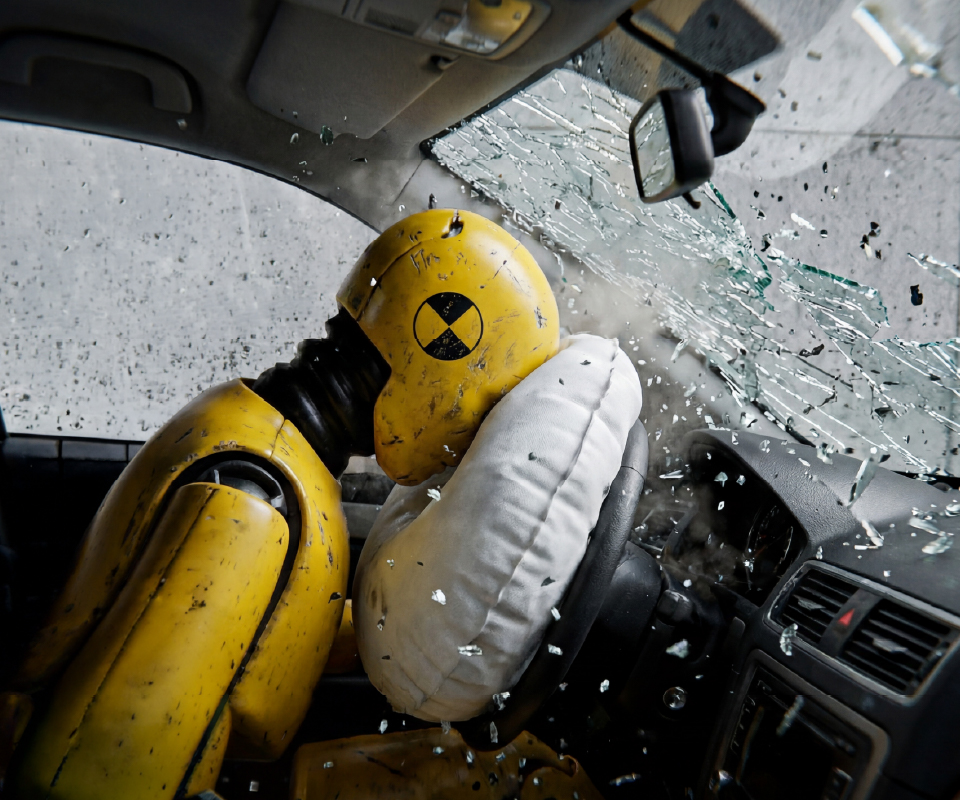
Crash-test dummy representing the importance of learning from failure.

If Space X can crash a spaceship and have Elon Musk declare it as ‘a valuable learning experience’,

then surely it is time for us to accept that not everything will work out as planned, and that the bumps in the road are actually crucial learning experiences that should be embraced. Maybe the disappointing 2nd quarter sales of a new RTD innovation is not actually a disaster?

So how do we embrace failure, and be ready to learn?

The solution is to start planning for failure at the start of a project. To think about what we will do if and when things don’t go as expected. To put in place the right funding, to pre-empt tough conversations and to be comfortable not knowing exactly where the journey will take us.

As a project progresses, we develop emotional attachments to it, we find it harder to make logical decisions. This is human nature. Having a plan in place that embraces failure and can show the different paths that emerge from it helps us make the right decisions. Pulling the plug is usually the easiest option, but not always the best one.

#5 Speed kills indecision

Cheetah running at speed, representing faster innovation decision-making.

Innovation projects do not get any simpler or clearer as they progress. The opposite is true.

As projects gather momentum, they attract opinions, inputs, “opportunities,” and a raft of interventions designed to keep every stakeholder comfortable.

But great innovation should not be built for comfort. It should delight some, provoke others, and carry a healthy dose of dissent.

This reality can be tough to manage, so what should we do differently to help deliver great work?

The answer is speed. However speed alone can be reckless, it only works when the strategy is razor sharp, and we have a clear ‘edge’ versus our competitors that is relevant and inspires our consumers. With that clarity in place, everything snaps into focus. The internal noise fades, and teams stop debating what the solution should be. Instead, they channel their energy into how best to deploy it.

#6 The Robots are coming

Rows of humanoid robots representing the role of AI in innovation research.

You can’t talk about innovation, or anything for the matter, without mentioning AI, so here it goes…

Yes ‘the robots are coming’ and they are here to stay. Does that mean we should surrender our humanity and use AI to replace everything we did before? AI is unbelievably fast and getting more accurate at an incredible rate, so it is tempting to start to trust the models, saving time and money.

When we research new ideas, we can build powerful AI consumer personas and use them to interrogate our concepts. The results are fast and the insights are useful. But the results are good, not great – they tend to be slightly generic – they smooth and average out the feedback. So, we then talk to real consumers in real environments about real products they can touch and taste. We observe them and probe to understand their reactions. This doesn’t have to be a big group, it can even be a single person. We get personal and more specific insights from this.

By collaborating with both humans and AI personas – we get to something really rounded – the generic and the personal. It’s efficient, fast, and delivers robust learnings.

This dual approach feels like the blueprint for how we can get the best out of AI in our innovation work.

Other Thought Pieces

No items found.

Other Work