The power of personalisation in drinks packaging

Undeniably, drinks packaging has three essential jobs to do: Protect the product. Express the brand. Earn its place on the shelf.

This will always remain true. But so very often, the bottle is the first experience of the brand. It creates anticipation, luring you in with a promise of something to look forward to, at the right moment, in the right place, with the right people. From the moment you take that bottle in hand, it becomes part of the ritual. Perhaps even more so if the intention is to gift it to someone else.

It's perhaps no surprise, then, that personalisation in drinks packaging is becoming an increasingly interesting space for brands looking to make a purchase feel considered, thoughtful and memorable. And today, that means going a little further than simply scribing their name.
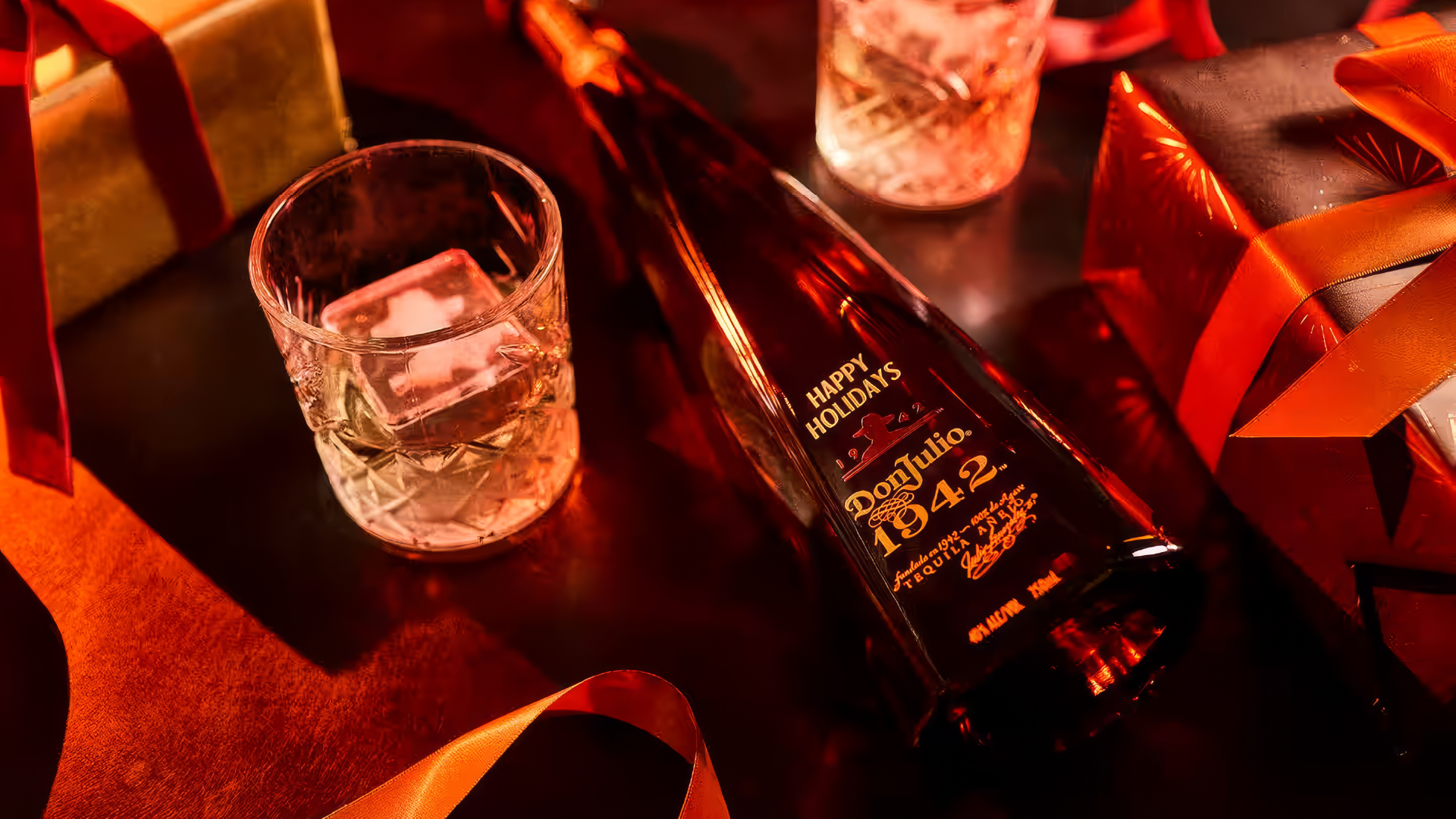
Personalisation isn't about making every bottle different. It's about making someone feel differently about the brand.

The brands getting it right understand that. The ones getting it wrong tend to start in the same place: the technology. AI-generated graphics. Laser etching. RFID. Digitally enabled theatre. In-store printing. NFC. There are more tools available than ever before, and each opens up exciting creative possibilities.

But it’s easy to fall into the trap of adopting an approach that just feels like a technology experiment - a case of doing it because you can, not because you should.

So what does it take to get it right?

Start with the story, not the feature.

The first question shouldn't be “what can we do to make this different?”. It should be “how do we want to make someone feel?”. Should it feel more ceremonial, capture a moment, create a cultural connection or invite someone into the inner circle of the brand? The answer changes everything.

Sometimes personalisation is loud. It deliberately becomes theatre - a bottle held high in a nightclub, catching attention and performing to a crowd. Sometimes it's almost invisible. A hidden message, discovered only by one person at one particular, precisely curated moment in time.

Neither approach is inherently better. They're simply trying to achieve different things. And what’s right for one brand, certainly isn’t right for another.

That's why the most successful personalisation programmes begin with intent rather than execution. The format, the production method and the technology all come later. Because without a clear purpose, even the cleverest innovation quickly becomes another gimmick.

Every brand should bring a sense of self - its own as well as that of the consumer.

JAMESON HITS THE RIGHT NOTE
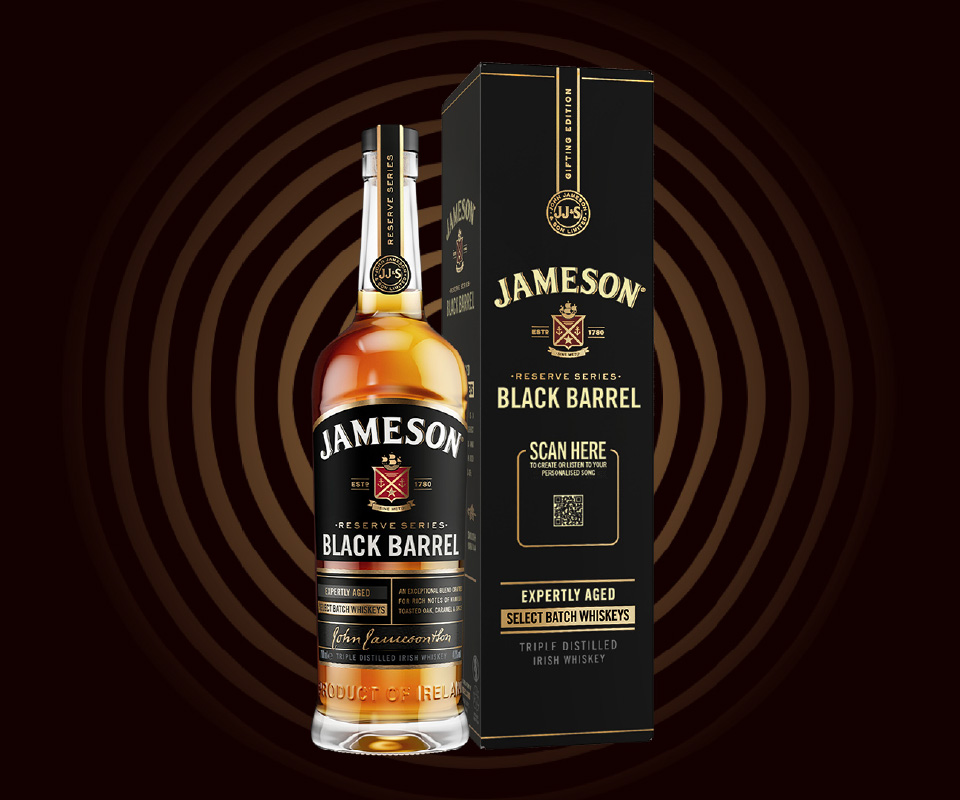
Music has long been part of the way Jameson brings people together. Its Distilled Sounds programme brings artists from around the world together to collaborate and create new music. That relationship with music finds a more personal expression in Jameson Black Barrel’s Father’s Day  gift box.

A QR code invites you to choose a genre, share a few memories and add a personal message, before turning them into an AI-generated song for Dad.

The technology doesn’t create the idea. It simply gives Jameson’s relationship with music a more personal voice.

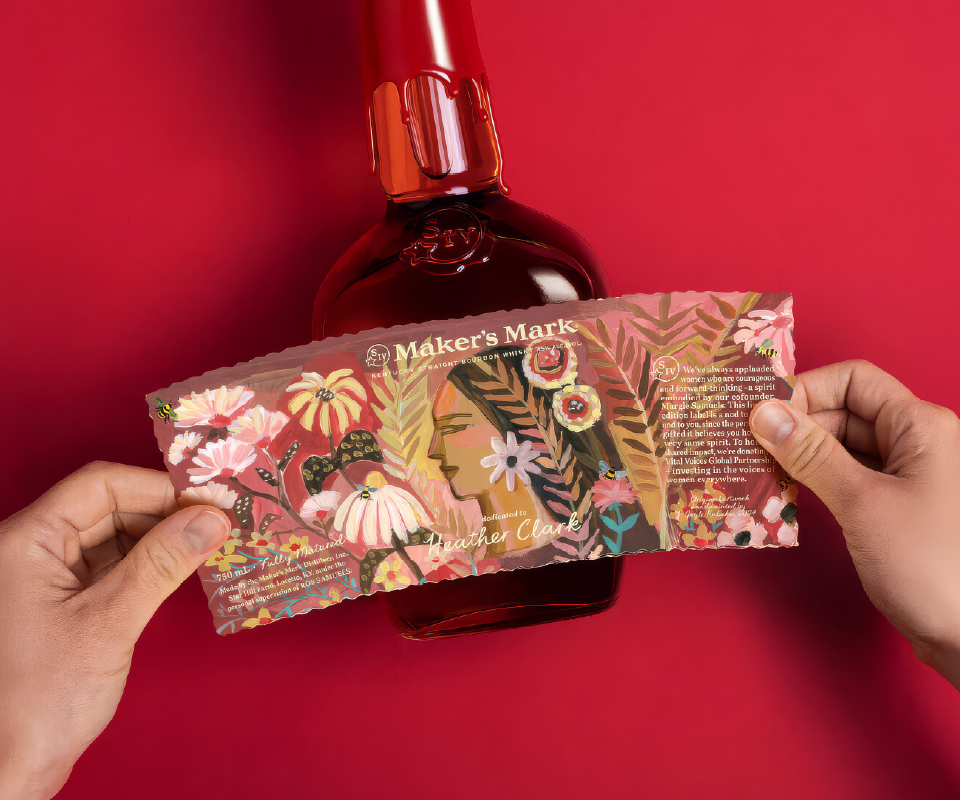
Maker's Mark celebrates Spirited Women.

Their personalisation programme begins with a story that's been part of the brand from the very beginning.

While Bill Samuels created the bourbon, it was Margie Samuels who gave Maker's Mark much of its unmistakable identity - from the bottle shape and label to the signature red wax seal that remains one of the most recognisable assets in the category.

Inviting customers to dedicate a bottle (with labels designed by inspirational women  to an inspirational woman isn't simply a gesture).

It's a continuation of the brand's own history. The unique label printing technology almost disappears and the story does all the work.

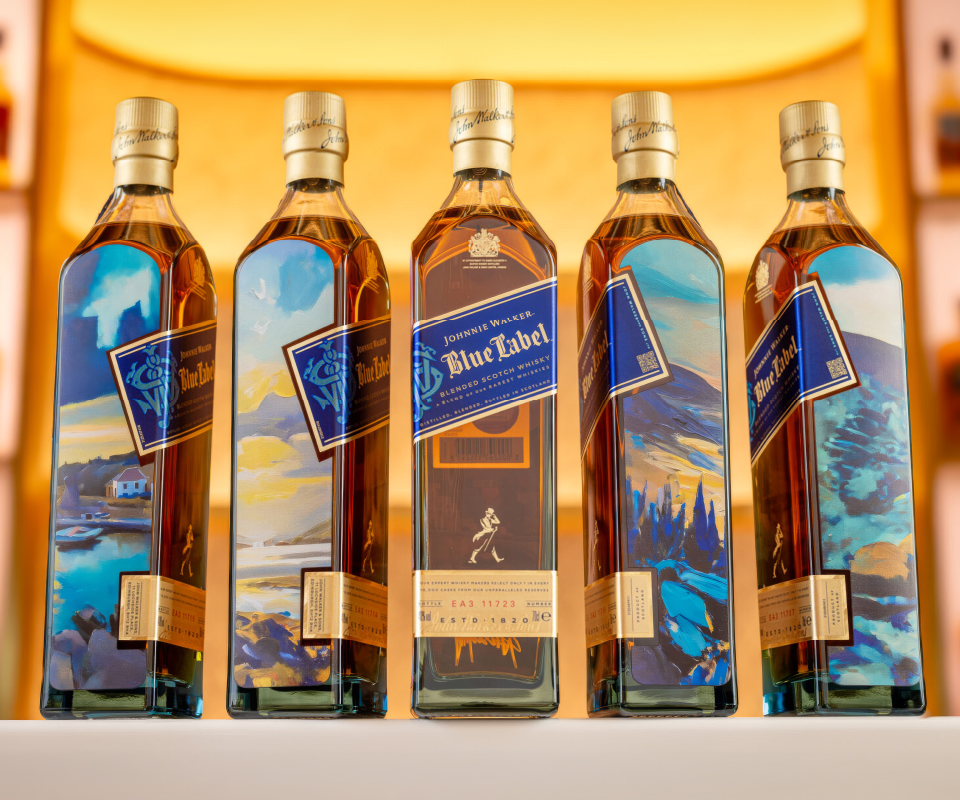
Johnnie Walker offers another perspective.

For a brand built around the idea of progress, innovation isn't an accessory - it's part of its DNA.

Its Project Halo uses generative AI to create unique visual interpretations of Dubai's skyline for travellers passing through duty free.

The AI isn't there because it's the latest plaything. It's there because it reinforces ideas of movement, discovery and constant evolution.

Again, the technology supports the narrative rather than replacing it.

A touch of quiet luxury.

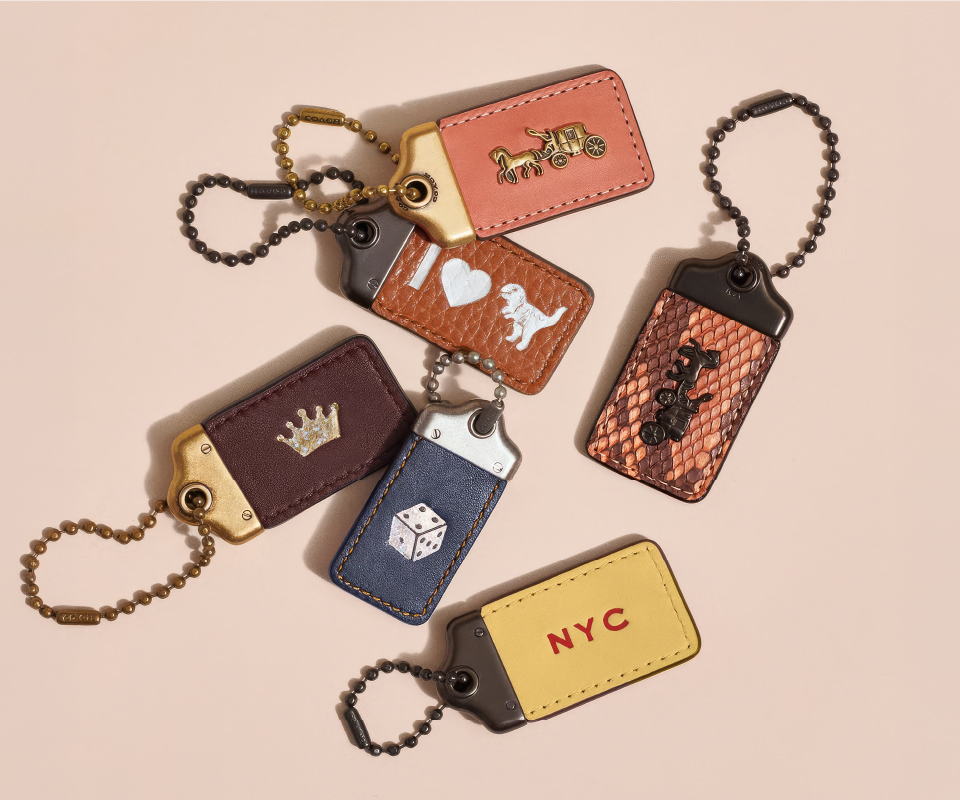
Luxury has always understood the value of personalisation. Bespoke tailoring. Monogrammed leather. Engraved watches. Objects made for one person rather than everyone.

But today's luxury landscape presents a new challenge.

Personalisation has become faster, easier and more democratic than ever before. Access has expanded.

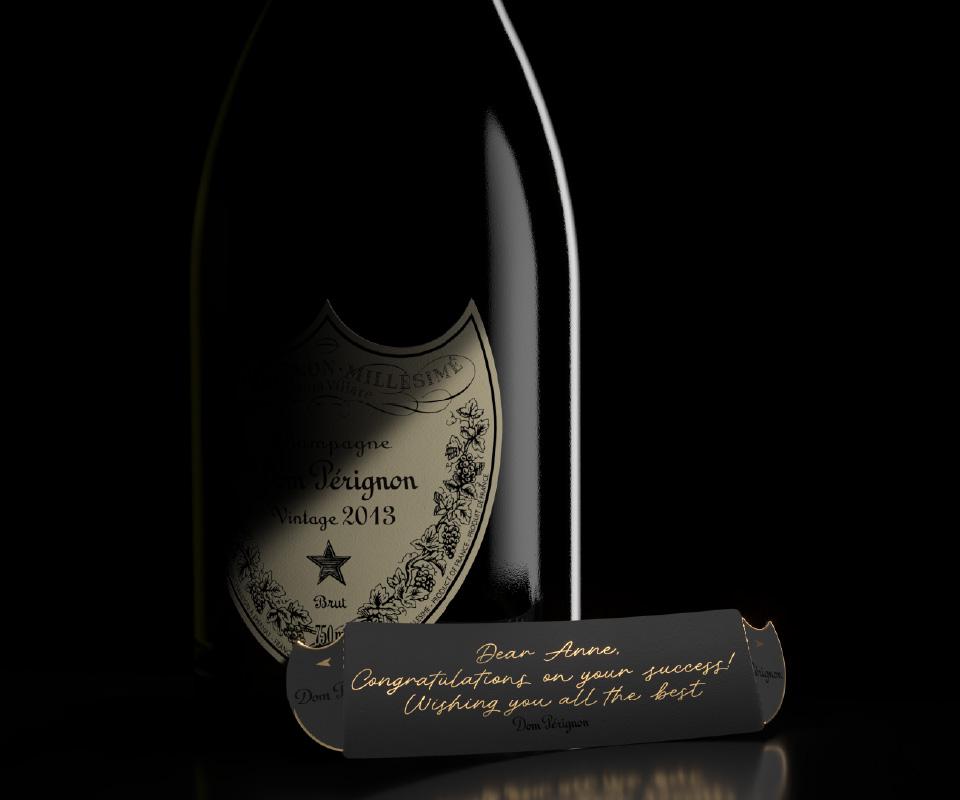
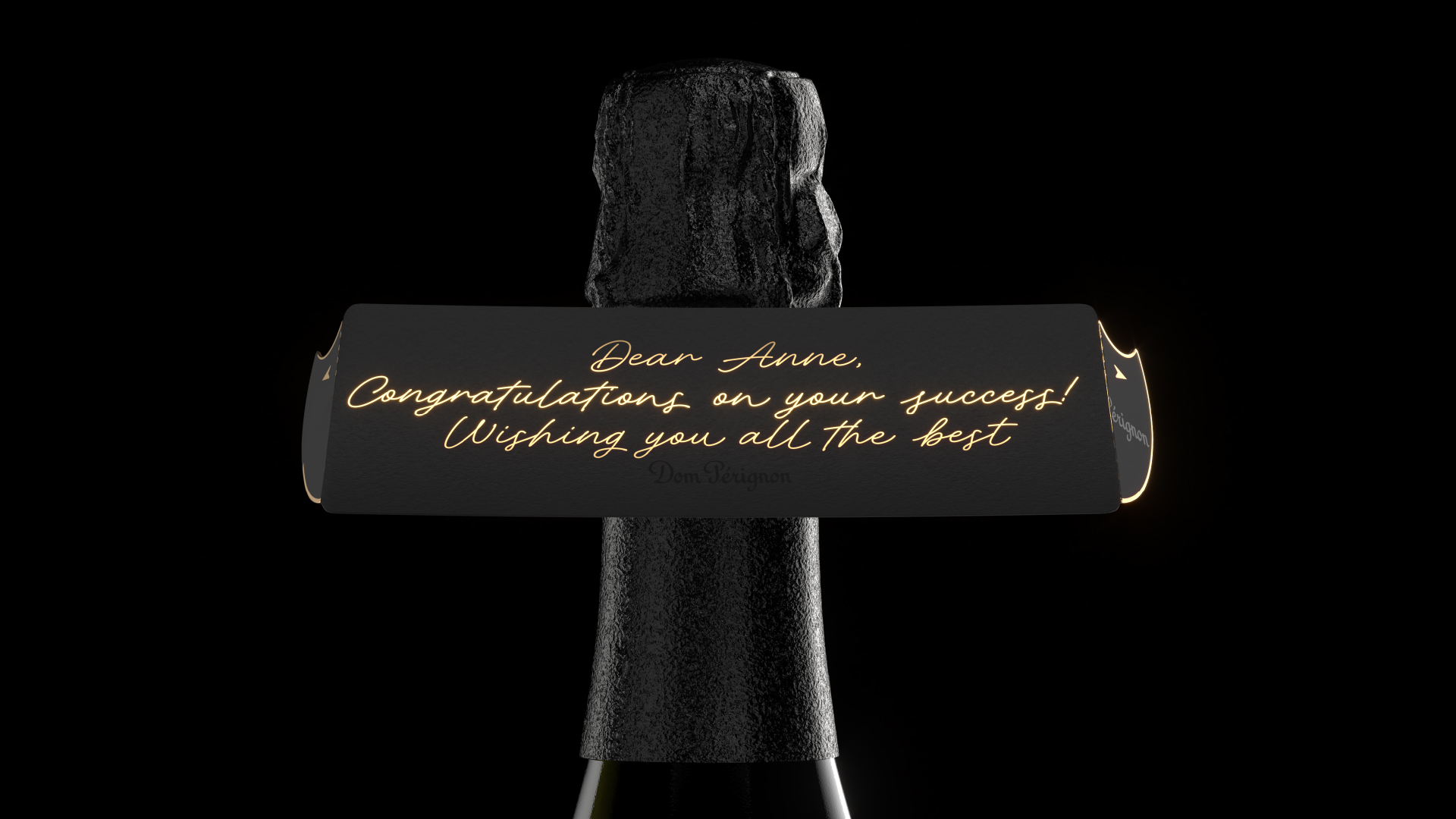
When other champagnes shout, Dom Perignon whispers.

When Knockout were asked to bring a touch of personalisation to the most prestigious of champagne brands, we set about understanding what exactly it is that makes Dom Perignon tick - and we found it was more of a purr.

So while most personalisation briefs are about doing something that begs to be noticed, our job was more realistically to preserve what was already there.

This gave us an opportunity to develop a personalisation programme that delivered deeply meaningful personal messages designed for an audience of one.

A concealed mechanism. A refined, bespoke print process. Hand application. Every touch beautifully curated, deliberately and quietly luxurious.  A gift that spoke the right amount of words in exactly the right way.

The golden rule of personalisation

Different brands. Different executions. Different takes on the desired experience. But all with one consistent principle; To act as a little bespoke window into the brand. One that allows you to connect with its soul and celebrate personal stories.

And we mustn’t overlook that one simple, but magical truth. Some objects simply become more valuable the moment they become ours.
‍